PROJECTS
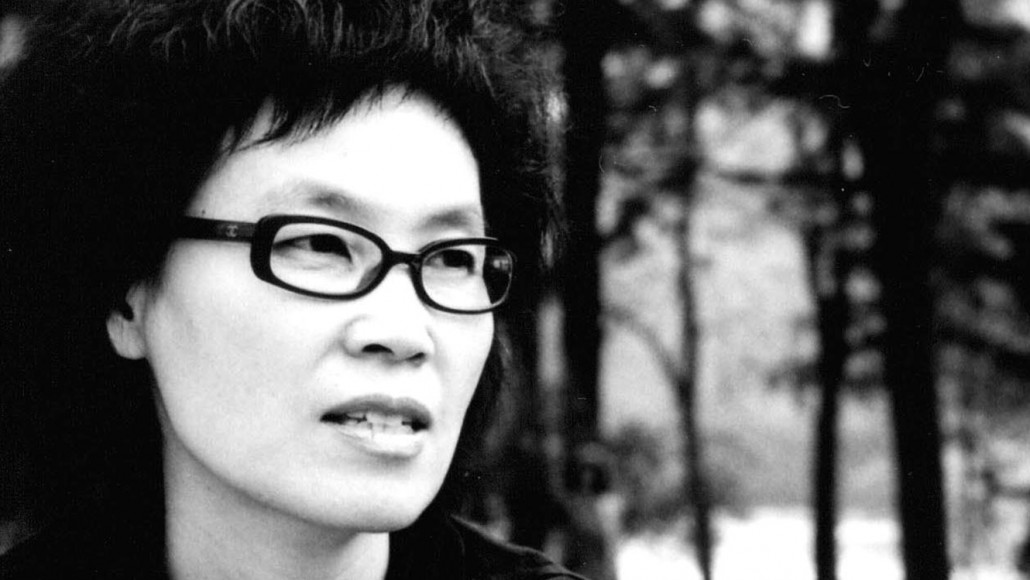

(About)
S
O
O
K
H
E
E
,
P
A
R
K
Color Immediately: 50:49
For a mountain to become a mountain and
water to become water, the principle of 50:49 is required. All realities and
phenomena in the world are events that occur in the 50:49 world. The 50:50
world is perfect.
However, just as a scale that remains
balanced without tilting to either side is a scale yet not a scale, the 50:50
world is also a world that exists yet does not exist. Although it embraces the
entire world, unlike the unrealistic and quiet 50:50 world, the real world is mostly
noisy. That noisy world is the 50:49 world formed when the 50:50 world is
broken. It is unknown what breaks the empty 50:50 world, but it could be
desire, longing, or perhaps something ambiguous that is difficult to grasp.
Suddenly, a wind arose in the desolate 50:50 world, and as the 50:50 world
broke, the mountain became a mountain, and the water became water.
However, since the 50:49 world originated
from the 50:50 world, the mountain is both a mountain and not a mountain, and
water is both water and not water. The 50:49 world is also a world that exists
yet does not exist.
Therefore, the 50:50 world and the 50:49 world are two yet one.
Nevertheless, the 50:49 world, which is changeable and vast, is especially more
captivating. The reason for pursuing the 50:49 world of color immediately is
due to the absurd desire to paint everything that exists in the world. It is
also due to the ridiculous delusion that I might be able to paint the entire
world. The 50:50 world and the 50:49 world as I understand them are worlds that
accept such desires and delusions.
Artist’s Critique
“Suki Park's Paintings are like a Novel”
- By Kim Kwangwoo
Suki Park's paintings are like a novel.
They are stories that you read in one breath. The plot is embroidered on the
canvas with colors. Some stories are easy to read, while others require the
viewer to weave the plot as they go. Because it is the painting of a novelist,
the story is the main motif.
Paintings are silent poetry, and poetry is
speaking paintings.
This was first mentioned by Simonides of
Ceos, a Greek poet from the 5th century BC, regarding literature and painting.
Literature and painting have long been called sister arts or twin arts, and
literature was often referred to as the second painting. Dong Qichang of the
late Ming Dynasty called paintings drawn by literati "literati
paintings."
Suki Park's paintings belong to this
literati painting category because they unfold as stories. After debuting as a
novelist through the New Spring Literary Contest of the Korea Times in 1995,
and then debuting as a painter with her first exhibition in January 2014, her
paintings are an extension of written novels. Instead of language, her
consciousness flows in colors. Painting differs from novel writing in that it
requires choosing colors instead of words. The symbolism of colors is the
existing language of painting, and the arrangement of new colors becomes the
language of creation.
While it is difficult to define what
painting is, many paintings captivate people. Just as it is difficult to define
poetry, it moves many people. The characteristic of Suki Park's paintings is
that they are so varied in expression that it is hard to say they belong to one
person.
She herself says, "The dozens of
paintings I have painted so far are unfamiliar even to me. My paintings, which
are mine but do not seem to be mine, are not something inherent within me but a
world expressed by borrowing from me. Therefore, I am curious about how the
infinitely diverse external world that flows into me will be expressed again as
a painting."
As she says, her inner self, which is
always open to the external world, is constantly changing. Therefore, various
experiments will be conducted in her paintings, and an integrated, grand story
is also anticipated.
Suki Park says, "Just as it is
impossible to know how this world will change, I do not know how my painting
world will unfold in the future." She leaves open the possibilities of her
paintings.
She takes notes and sketches whenever
inspiration strikes. But it seems she no longer needs notes or sketches. As
long as she has a canvas to paint on, that seems to be enough.
Suki Park uses the pen name "弴" (Don), which means an arrow that draws a bow to paint. We
should watch where her arrow is aiming.
PROJECTS
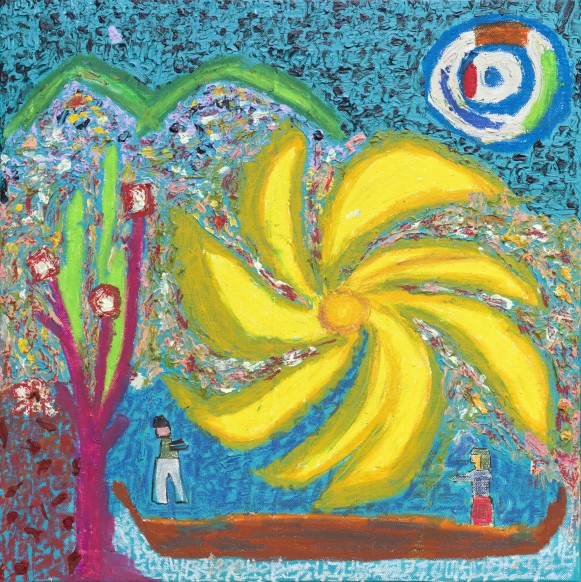
Drawing Diary 1
45x45cm, Acrylic on Canvas, 2023
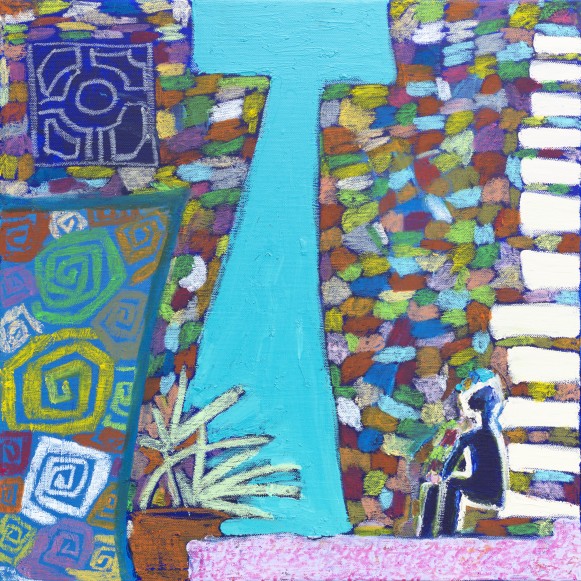
Drawing Diary 2
45x45cm, Acrylic on Canvas, 2023
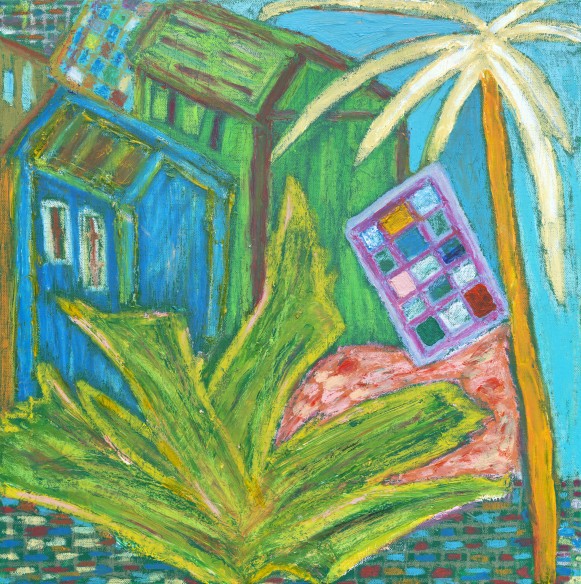
Drawing Diary 3
45x45cm, Acrylic on Canvas, 2023
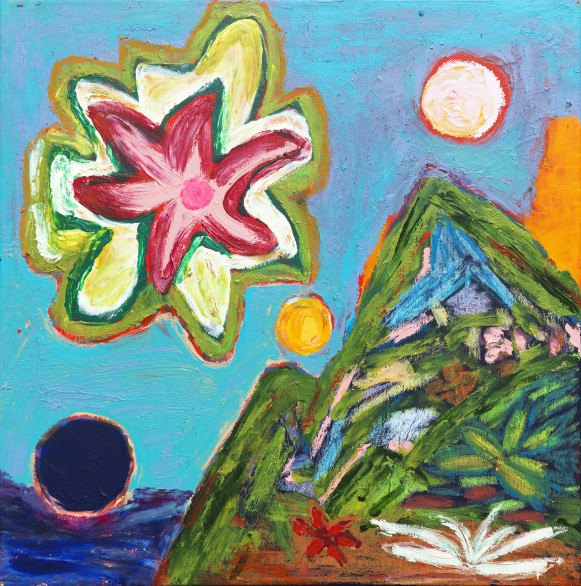
Drawing Diary 4
45x45cm, Acrylic on Canvas, 2023
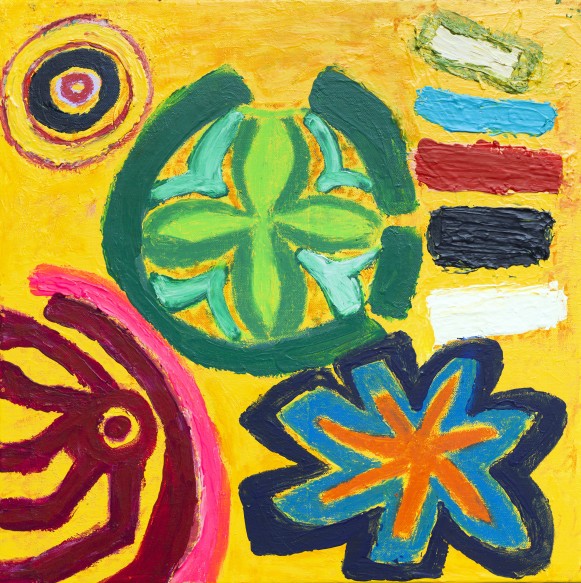
Drawing Diary 5
45x45cm, Acrylic on Canvas, 2023
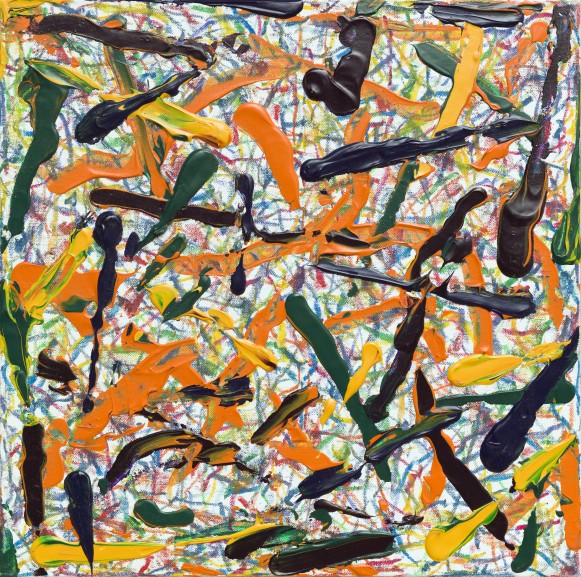
Drawing Diary 6
45x45cm, Acrylic on Canvas, 2023
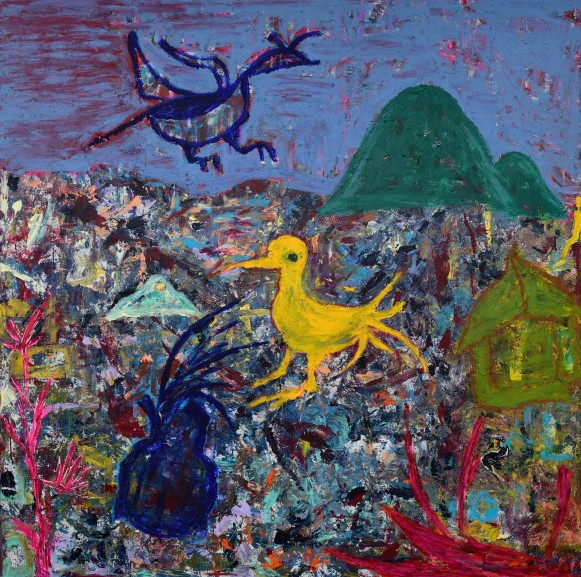
Drawing Diary 7
130x130cm, Acrylic on Canvas, 2023